Airports move fast. Flights change, crowds shift, and travelers rely on clear information to stay on track, in a space where timing and accuracy matter, traditional static signs struggle to keep up with constant updates and high passenger flow.
Digital signage fills that gap. It delivers real-time flight updates, supports wayfinding, manages queues, and helps communicate alerts or instructions instantly. The result is smoother movement, fewer bottlenecks, and a more confident traveler experience.
In this blog, we’ll discuss how airports are using digital signage to improve daily operations and the journey from check-in to boarding.
Different ways to use airport digital signage
Airports rely on digital signage in several practical and high-impact ways. Here are some of the most common uses:
1. Flight Information Displays That Update in Real Time
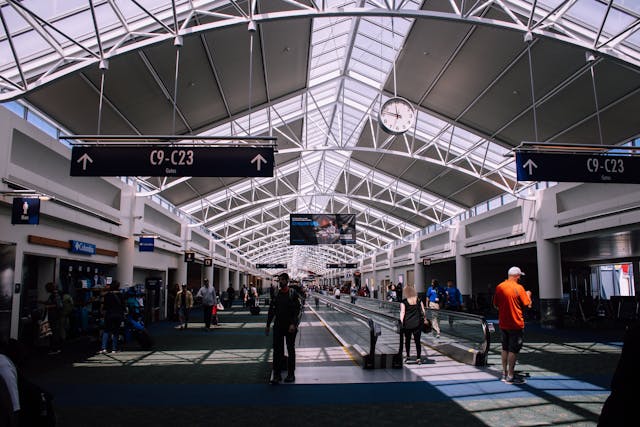
Screens showing arrivals, departures, delays, and gate changes are one of the most essential uses of digital signage in airports. These real-time displays remove the guesswork and keep travelers informed without requiring staff intervention. When a gate changes or a flight is delayed, the update appears instantly, helping passengers adjust without confusion or panic.
This improves the traveler experience but also helps airports manage congestion, reduce overcrowding at help desks, and keep foot traffic moving smoothly, especially during peak travel hours.
2. Wayfinding Screens for Faster Navigation
Airports use digital signage to help passengers move confidently through terminals without having to stop to ask for directions. These screens provide clear route guidance, making it easier to locate key areas quickly.
Common uses include:
- Interactive maps that allow travelers to search for gates, services, and amenities
- Static wayfinding boards placed at high-traffic points like entrances, escalators, and security
- Step-by-step route prompts for tight connections or terminal transfers
By integrating wayfinding into the digital network, airports reduce directional confusion, prevent bottlenecks, and reduce reliance on staff for routine navigation assistance.
3. Queue Management and Security Check Screens
Many airports use digital signage to manage queues more efficiently, especially around security and immigration. These screens share estimated wait times, direct passengers to available lanes, and provide reminders about screening rules or required documents.
With clearer instructions and real-time updates, airports can balance passenger flow, prevent overcrowding, and make the waiting experience feel more manageable, not just physically, but psychologically as well.
4. Digital Advertising for Airlines, Retail, and Food Courts
Alongside travel updates and navigation, airports also use digital signage as a smart advertising channel. These screens are usually placed in areas where travelers spend more time, like seating zones, walkways, boarding gates, and food courts. So the message has a better chance of being noticed.
Some ads are scheduled based on time of day, passenger demographics, or even destinations, such as showcasing winter wear near flights to colder regions or meal offers during peak food hours. With a signage management platform such as AcumenCMS, these updates can be automated and adjusted in seconds, keeping content timely and relevant without manual effort.
This approach turns digital signage into more than a communication tool. It becomes a consistent revenue stream for airports and their partner ecosystem while keeping messaging targeted and useful for passengers.
5. Emergency Alerts and Critical Notifications
Digital signage is also used as an immediate communication tool during emergencies. When something unexpected happens, screens can instantly override scheduled content and switch to critical instructions so passengers know exactly what’s happening and what they need to do.
This override is typically used for:
- Security or safety alerts
- Emergency evacuation instructions
- Weather-related disruptions or delays
Because the message appears across all terminals at once, it ensures visibility even in busy, noisy areas, helping airports maintain safety, clarity, and control during urgent situations.
6. Baggage Claim Information and Carousel Guidance
Airports use digital signage to guide passengers after landing. Screens display which carousel their luggage will arrive at, along with status updates, delays, or reminders. By clearly directing travelers to the right belt, airports reduce crowding and confusion in the baggage hall.
7. Digital Menu Boards at Airport Restaurants
Airports also use digital signage to manage restaurant traffic and improve ordering speed. Digital menu boards allow quick-service restaurants to update pricing, showcase limited-time offers, or switch languages based on the crowd passing through.
These screens are often adjusted around peak rush hours, helping staff move orders faster and reducing wait times for travelers with tight schedules. With AcumenCMS handling updates, menu changes can be made instantly and pushed to multiple screens at once.
8. Duty-Free Promotions and Dynamic Retail Displays
In duty-free zones, digital signage is used to showcase offers that catch attention quickly, especially when travelers are moving toward boarding gates. Screens highlight limited-time deals, premium brands, and price drops that can change based on stock or seasonal campaigns.
Some airports also use features like QR-code browsing or pre-order prompts, allowing passengers to explore products even if they’re short on time. This combination of timely offers and easy access often leads to more impulse buys and a smoother retail experience overall.
9. Lounge Occupancy and Service Updates
Airports also use digital signage inside lounges to keep premium travelers informed without interruptions or manual checks. These screens display real-time occupancy, availability of quiet zones or workspaces, and current wait times for amenities like showers or spa services.
They may also highlight menu changes or service windows so guests can plan their time more comfortably. By presenting this information clearly and continuously, airport lounges maintain a smoother flow and deliver a more seamless experience for travelers who expect efficiency and convenience.
10. Multilingual Announcements and Instructions
Airports use digital signage to communicate clearly with travelers from different language backgrounds. Instead of relying only on audio updates, screens display instructions visually, making important information easier to follow in busy terminals.
This system is often programmed to adjust based on flight schedules or passenger traffic and can switch languages automatically for clarity and relevance.
Common use cases include:
- Gate announcements and boarding instructions
- Check-in, immigration, and baggage process guidance
- Safety reminders or procedural updates tied to specific routes
With the help of a centralized CMS, these language changes can be scheduled or automated, ensuring communication feels seamless, timely, and inclusive for international passengers.
11. Digital Wall Installations for Enhancing Airport Ambience
Airports are also adopting large digital wall installations to elevate the atmosphere and create a strong first impression. These displays often showcase local culture, scenic visuals, or city welcomes, giving travelers an immediate sense of where they’ve arrived.
Beyond aesthetics, they’re also used for soft branding, tourism messaging, and storytelling that reflect the region’s identity. By replacing static artwork with dynamic digital content, airports create a memorable, premium environment that evolves rather than remaining fixed.
12. Corporate Communication for Airport Staff
Airports use digital signage to support internal communication by installing screens in employee-only areas and displaying practical updates such as shift schedules, safety reminders, and operational announcements.
Some airports also run short training content or procedural videos, making it easier to keep everyone aligned without constant manual communication. With so many departments working around the clock, digital signage helps internal teams stay informed and coordinated, even during busy or fast-changing operations.
13. Passenger Engagement Screens (Gamification, Trivia, Social Feeds)
Some airports use digital signage to make waiting time feel shorter and more enjoyable. These screens display content like trivia, destination facts, social media feeds, and interactive games that passengers can engage with during long layovers or delays. Instead of simply waiting, travelers have something to watch or interact with, which helps reduce stress and makes the airport experience feel more connected and enjoyable.
Conclusion
Digital signage has transformed airport communication, making updates faster, navigation easier, safety clearer, and commercial messaging more effective. What once required manual effort can now be managed instantly across terminals. With hundreds or thousands of screens in play, a scalable CMS keeps everything aligned and easy to control.
If you’re looking to simplify digital signage management and create a more connected airport experience, exploring AcumenCMS is a great next step.
Book a demo to see how it fits your environment.
FAQs
What type of digital signage is commonly used in airports?
Airports typically use flight information screens, wayfinding displays, digital menu boards, advertising screens, emergency alert signage, and large video walls.
How does digital signage improve the passenger experience?
It provides clear, real-time information, reduces confusion, improves navigation, shortens perceived waiting time, and keeps travelers informed throughout their journey.
Can airport signage be managed remotely in real time?
Yes, modern digital signage can be updated remotely in seconds, allowing teams to push changes instantly across terminals and multiple screen types.
How do airports use signage for revenue generation?
Digital screens display targeted ads from airlines, retail brands, food outlets, and duty-free stores, helping airports generate steady non-aeronautical revenue.
Why is digital signage more effective than static boards in airports?
Because it updates instantly, supports multiple languages, adapts to traffic patterns, and delivers dynamic, engaging content that passengers can rely on.